
How to build a habitat for fireflies?
If you have been battling snails, slugs, various insects or worms, fireflies can help you control these pests. 
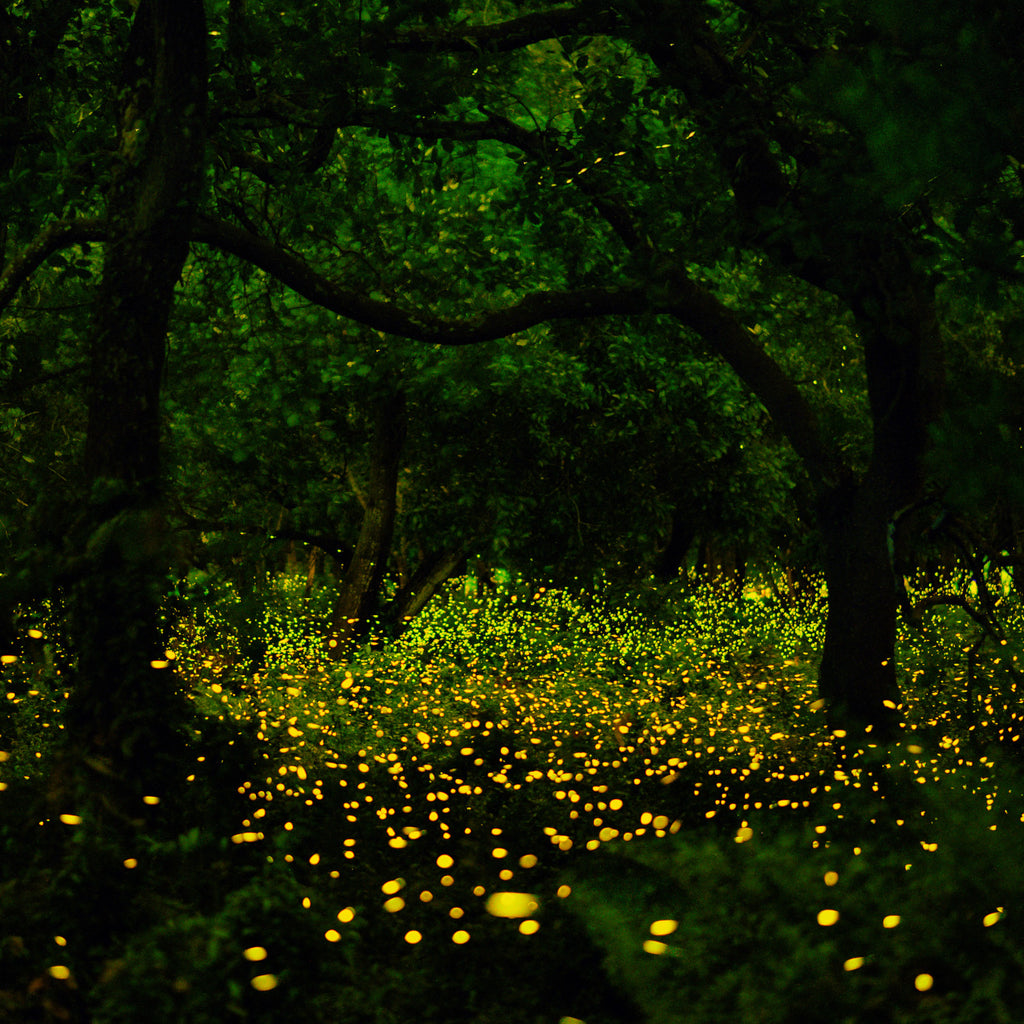
Gardens make a great environment for fireflies, they're like sideboards, and they help replace some of the natural habitat that's being lost. The common firefly, or Photinus Pyralis, easily settles in an organic habitat. All you need to do is make your garden as inviting as possible for the fireflies to settle there.
Fireflies spend up to 95% of their life in the larval stage. They live in soil, mud, and leaf litter and take 1-2 years to grow to pupation to become adults. All the while they eat whatever they can find. As adults, they only live 2-4 weeks. Females that are mated lay eggs in several places, but gardens provide an oasis with a source of soil moisture conducive to larval development.
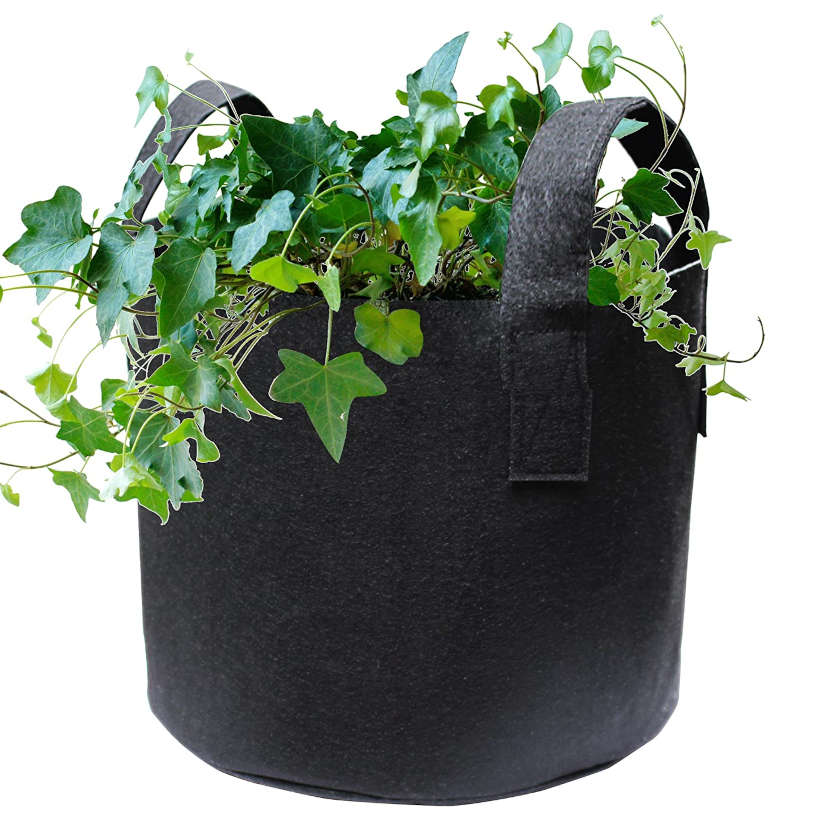
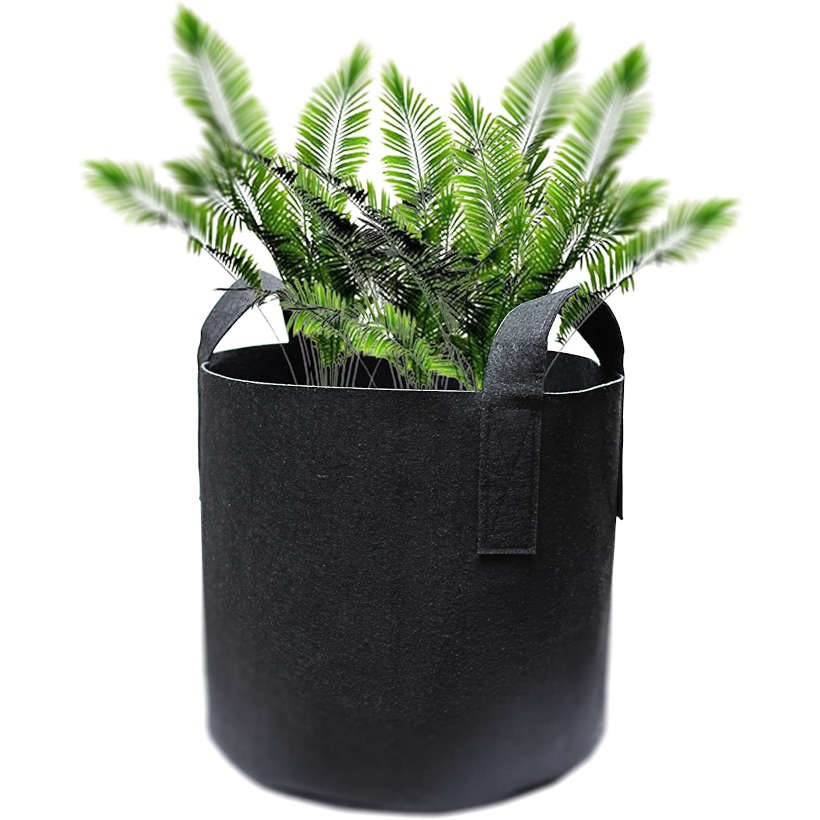
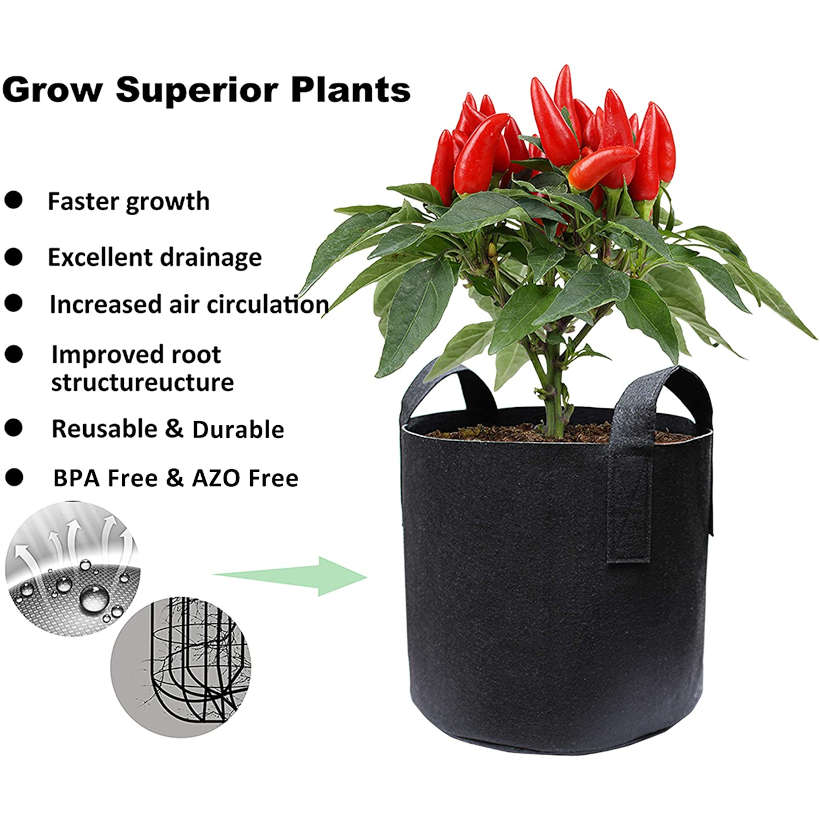
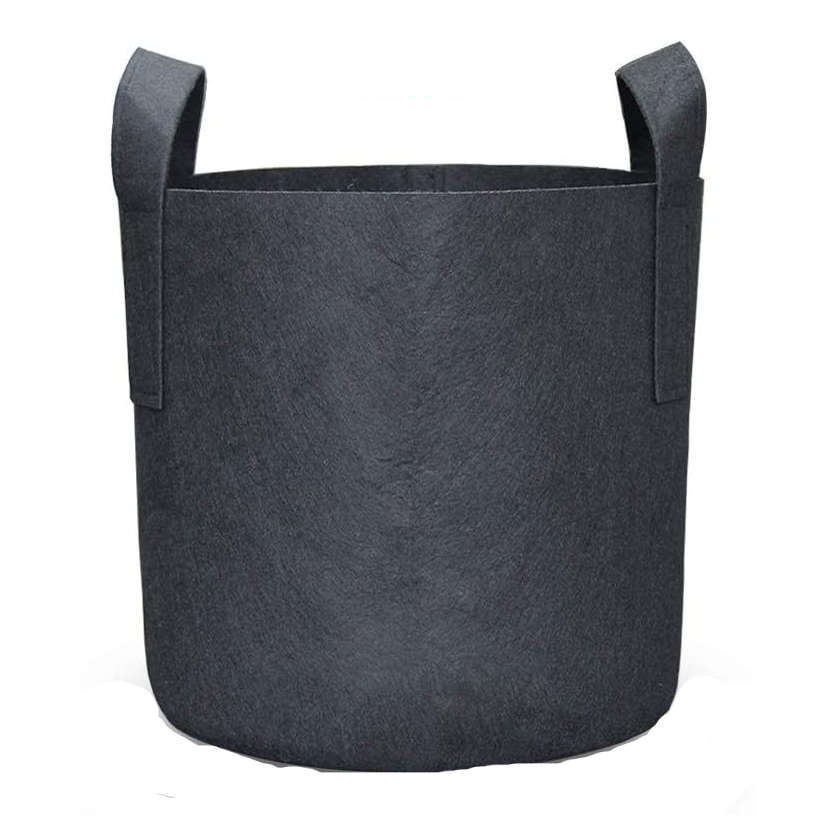
In the fall, you don't pick up leaves, you rake in firefly larvae and throw them away. Collect bags of leaves by hand to make bagged compost, wet them and put them in the shade. Keep moist for 3-6 months, or even up to a year. The bags will attract snails and slugs, which are food for growing fireflies!
In the spring, bag up compost in your garden and till it into your soil. Repeat every year. It can take up to 5 years, or as fast as the same year to have fireflies in your garden.
Other ways to help attract fireflies: Assess the health of your soil. If you have poor soil, introduce nutrients such as bagged compost, leaves and organic matter. Plow your soil or use a no-till technique like using a wide pitchfork to open up the soils. This is especially important if you are working in a native area to avoid disturbing the habitat. Plowing or using a wide pitchfork to loosen the soil adds some aeration and prevents the soil from compacting.
Some tips
- Avoid using pesticides.
- Do not mow your lawn too much.
- Let dead leaves accumulate.
- Segment an area of your land to stay in a natural state.
- Turn off outdoor lights and advocate local dark sky policies to control light pollution.
Gardens make a great environment for fireflies, they're like sideboards, and they help replace some of the natural habitat that's being lost. The common firefly, or Photinus Pyralis, easily settles in an organic habitat. All you need to do is make your garden as inviting as possible for the fireflies to settle there.
Fireflies spend up to 95% of their life in the larval stage. They live in soil, mud, and leaf litter and take 1-2 years to grow to pupation to become adults. All the while they eat whatever they can find. As adults, they only live 2-4 weeks. Females that are mated lay eggs in several places, but gardens provide an oasis with a source of soil moisture conducive to larval development.
In the fall, you don't pick up leaves, you rake in firefly larvae and throw them away. Collect bags of leaves by hand to make bagged compost, wet them and put them in the shade. Keep moist for 3-6 months, or even up to a year. The bags will attract snails and slugs, which are food for growing fireflies!
In the spring, bag up compost in your garden and till it into your soil. Repeat every year. It can take up to 5 years, or as fast as the same year to have fireflies in your garden.
Other ways to help attract fireflies: Assess the health of your soil. If you have poor soil, introduce nutrients such as bagged compost, leaves and organic matter. Plow your soil or use a no-till technique like using a wide pitchfork to open up the soils. This is especially important if you are working in a native area to avoid disturbing the habitat. Plowing or using a wide pitchfork to loosen the soil adds some aeration and prevents the soil from compacting.
Some tips
- Avoid using pesticides.
- Do not mow your lawn too much.
- Let dead leaves accumulate.
- Segment an area of your land to stay in a natural state.
- Turn off outdoor lights and advocate local dark sky policies to control light pollution.
Related Posts
18
Dec
23
Nov
23
Nov