Mentha spicata.
The authentic mint of the cuisines of the world, and probably the most universally appreciated aromatic herb — from a Cuban mojito to Maghrebi mint tea, from Lebanese tabbouleh to the mint sauce that accompanies English roast leg of lamb, by way of Vietnamese bánh mì and the fresh leaves rolled into gỏi cuốn (spring rolls). It is this species, Mentha spicata, that constitutes mint par excellence — its species name comes from the Latin spicatum ("in a spike"), in reference to the long pointed shape of its flower spikes. Not to be confused with peppermint (Mentha × piperita), which is actually a hybrid between spearmint and water mint and which contains much more menthol; spearmint is dominated by carvone, a softer, more fragrant and less "cooling" molecule in the mouth than the bracing menthol of its peppermint cousin.
Mint has a rich Greek mythology: the nymph Minthe, beloved of the god Hades, was transformed into a fragrant plant by Persephone, the jealous wife of the lord of the Underworld, who trampled her until she disappeared; Hades, unable to bring her back to life, gave her in consolation an eternal perfume that would infuse anyone who brushed against her.
A robust perennial plant 30-90 cm, with square stems (characteristic of the Lamiaceae family, like lemon balm, rosemary, sage and Greek oregano) and oval-lanceolate leaves in a bright, slightly matte green, finely toothed at the edges. In summer, elongated spikes of small pink-white flowers appear at the tips of the stems and attract considerable numbers of bees, bumblebees and all kinds of pollinators. Fresh, mild, herbaceous, classic flavour.
A thousand culinary uses: fresh leaves chopped into Lebanese tabbouleh (where it plays an equal role with parsley), crushed leaves in a mojito or a mint julep, steeped hot with gunpowder green tea and sugar for Moroccan mint tea (atay), stirred raw with Greek yogurt, garlic and cucumber for tzatziki, chopped with fresh peas over lamb, or simply a few fresh leaves in a pitcher of lemon water to refresh summer. Also recognized for its digestive properties — Dioscorides recommended it as early as the 1st century for stomach troubles, and it's this same property that justifies the custom of mint tea at the end of a meal in Maghrebi cuisine today.
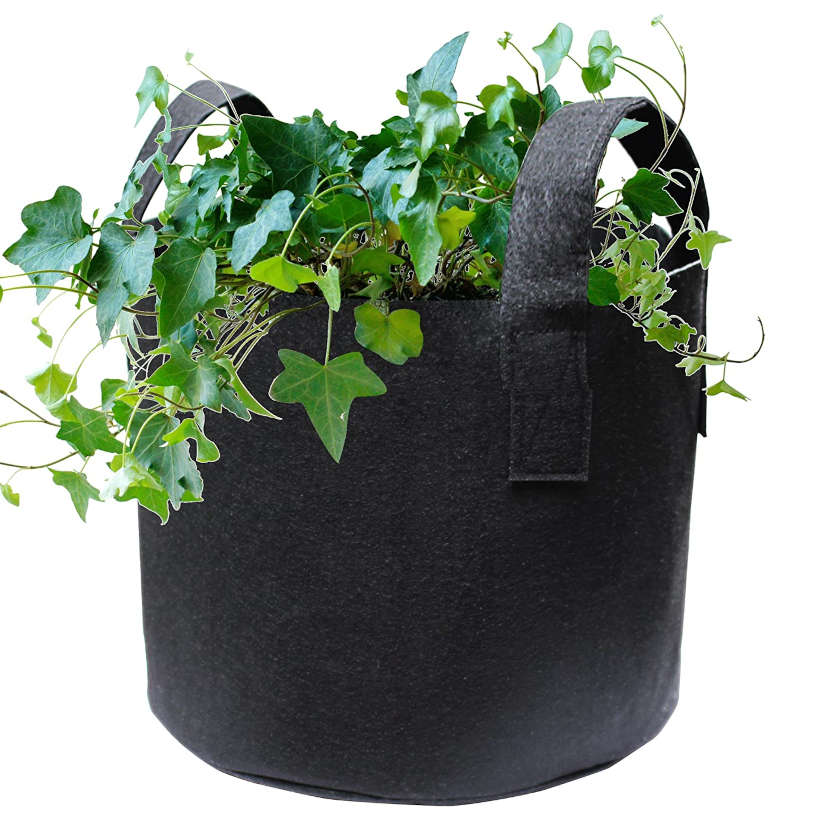
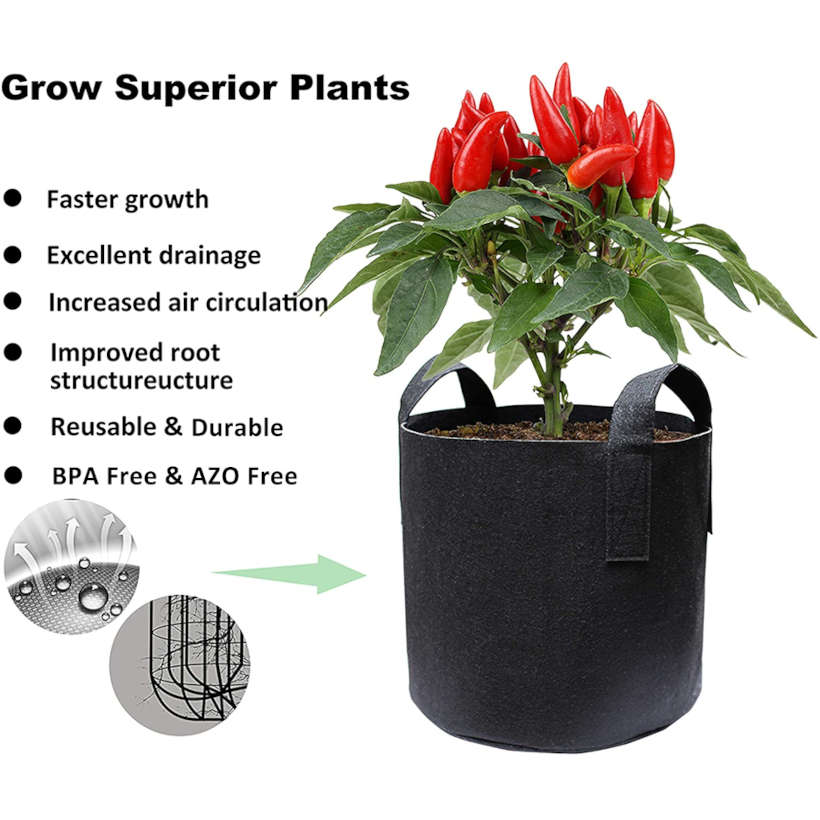
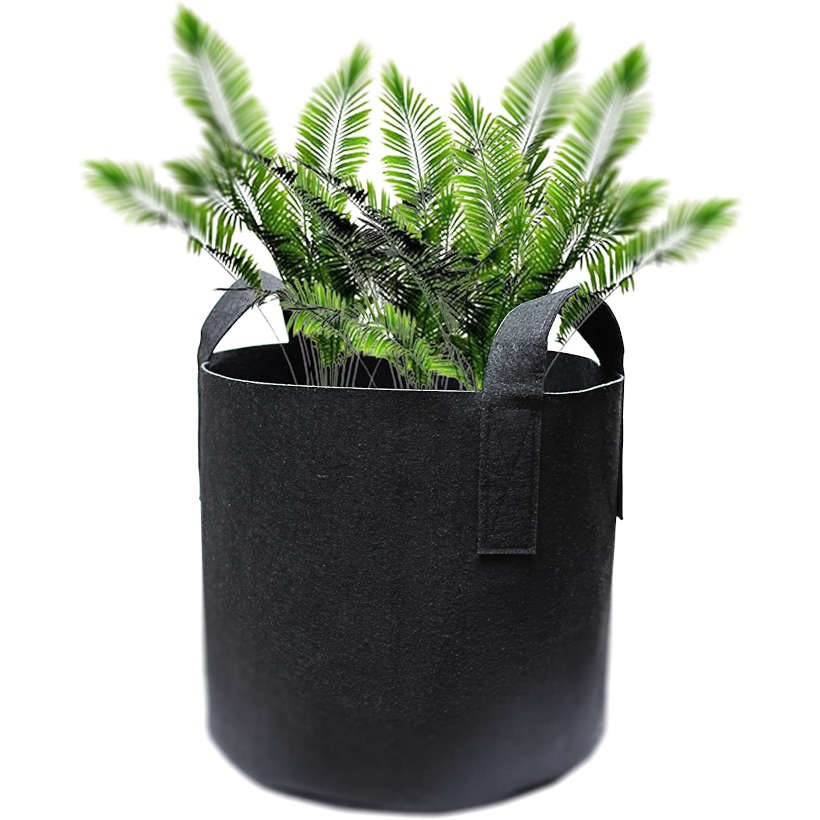
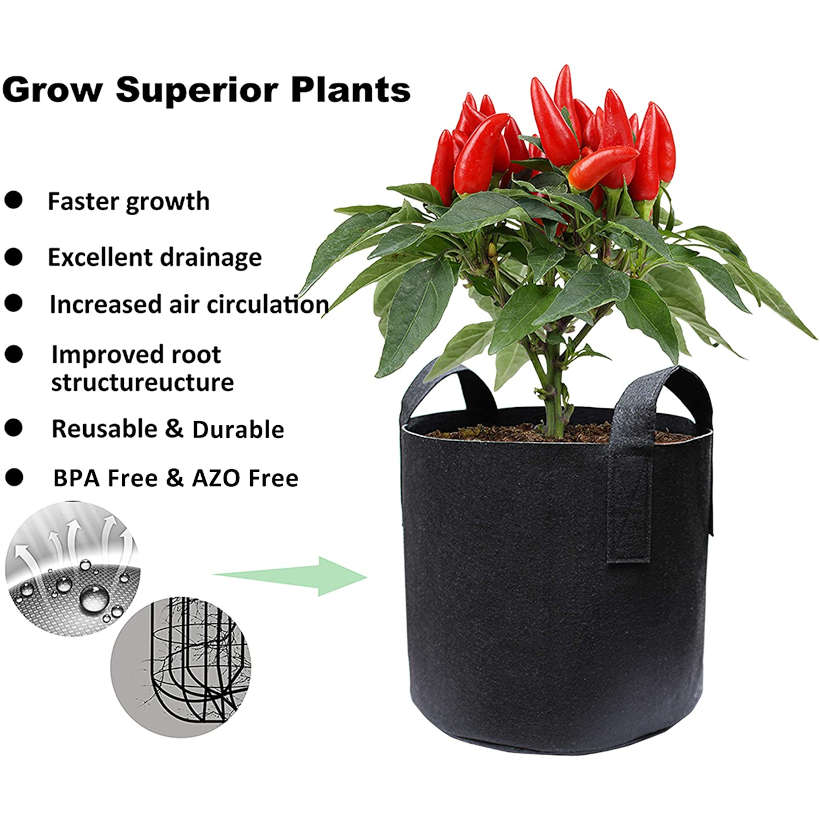
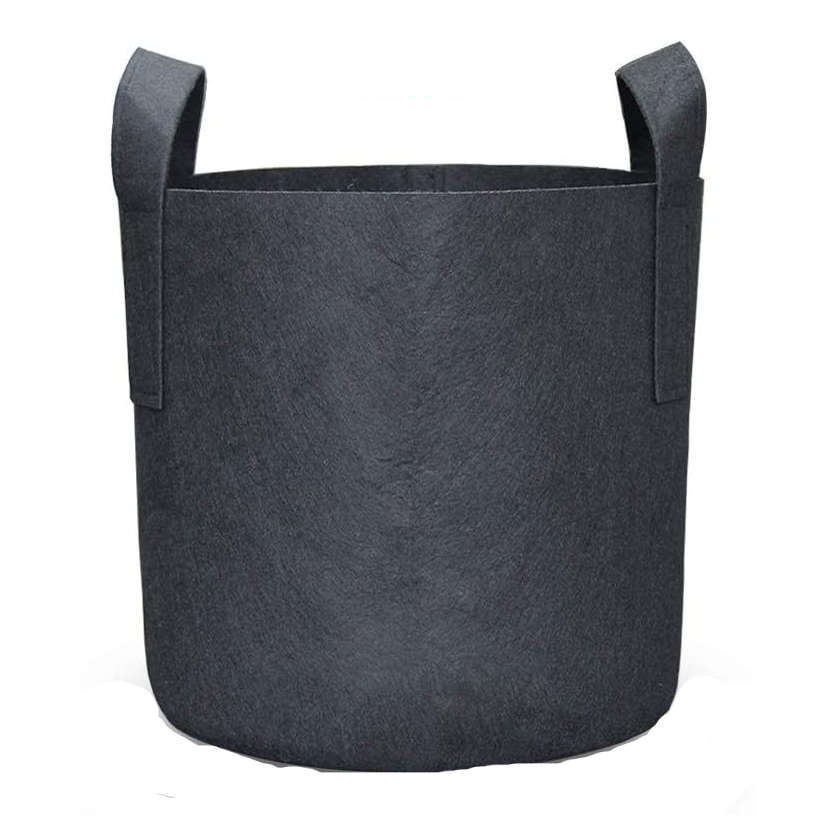
Grower's tip: Mint is a particularly vigorous perennial, hardy in Québec to zone 3, thriving for decades once established. Beware, however, of its underground rhizomes — it propagates at high speed and quickly invades all available space; it can literally colonize an entire vegetable garden in 2-3 years if given free rein. The golden rule is to isolate it: grow it in a large pot buried in the ground (leave the rim sticking out 5 cm), in a sealed container, or in a garden corner enclosed by a physical barrier. Start indoors 6-8 weeks before transplanting, or direct-sow in late May. The seeds are fine and slow to germinate (10-14 days). Once well established, mint is mostly multiplied by clump division or by stem cuttings in a glass of water (roots appear within days).
- Open-pollinated. Hardy perennial, zone 3. Insect-pollinated; readily crosses with other nearby mints (Mentha spp.), producing more or less fragrant hybrids.
- Height: 30-90 cm depending on conditions.
- Flowering: July to August (leaves are best before flowering).
- Exposure: full sun to part shade. Tolerates light part shade well.
- Cool, moist soil rich in organic matter. Prefers slightly damp soils to dry ones.
- Start indoors 6-8 weeks before transplanting, or direct-sow in late May. Cultivate imperatively in an isolated container or an enclosed space to prevent rhizome spread.